
Every B2B buyer knows the cost of a failed zipper. It's not just the component price — it's the returned jacket, the one-star review, the lost retail contract. Yet most zipper failures are preventable with proper care during manufacturing, storage, and end-use. This guide shows you how to specify maintenance-friendly zippers and educate your customers — so your products stay zipped and your reputation stays intact.
Garment manufacturers, bag and luggage producers, outdoor gear brands, upholstery manufacturers, and any B2B buyer whose products rely on metal zippers that must survive daily use, washing, weather exposure, or rough handling.
Why Zipper Maintenance Is a B2B Supply Chain Problem
When a consumer's zipper fails, they don't blame the zipper factory — they blame your brand. Warranty claims on zippered products average 8–15% of total returns in apparel and luggage categories, according to retail defect analysis surveys. A significant portion of these failures trace back to preventable issues:
#1 consumer complaint. Often caused by improper sewing or misaligned tape — not the zipper itself.
Dirt, corrosion, or misaligned teeth. Most cases resolvable with simple cleaning.
Often a specification error — wrong gauge for the application — not wear-and-tear.
Preventable through material and finish selection at the sourcing stage.
1. Start at the Source: Specify Maintenance-Friendly Materials
Maintenance starts before the zipper is even installed. Your material choices at the RFQ stage determine how easily the end user can care for the product:
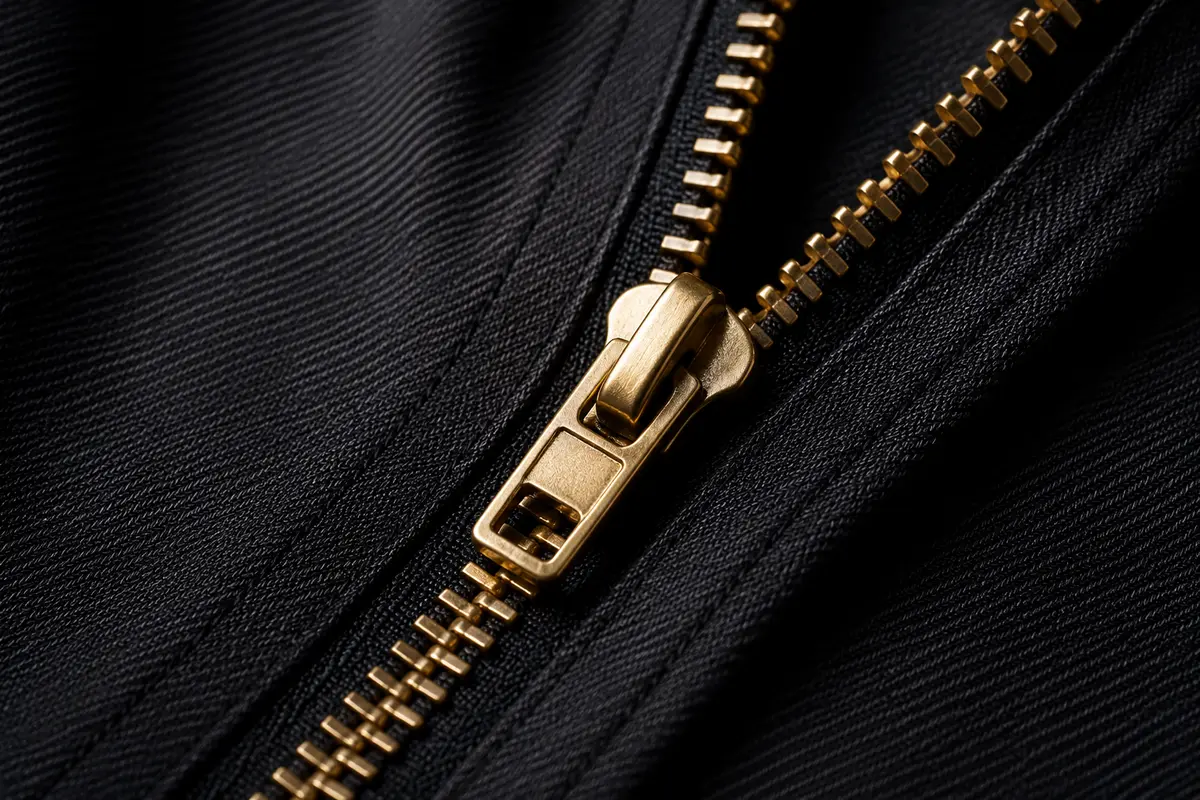
| Brass Teeth | Best for garments. Naturally corrosion-resistant, self-lubricating over time. Ideal for jeans, jackets, workwear. |
| Aluminum Teeth | Lightweight but softer. Best for lightweight bags and non-load-bearing applications. Avoid for heavy outdoor gear. |
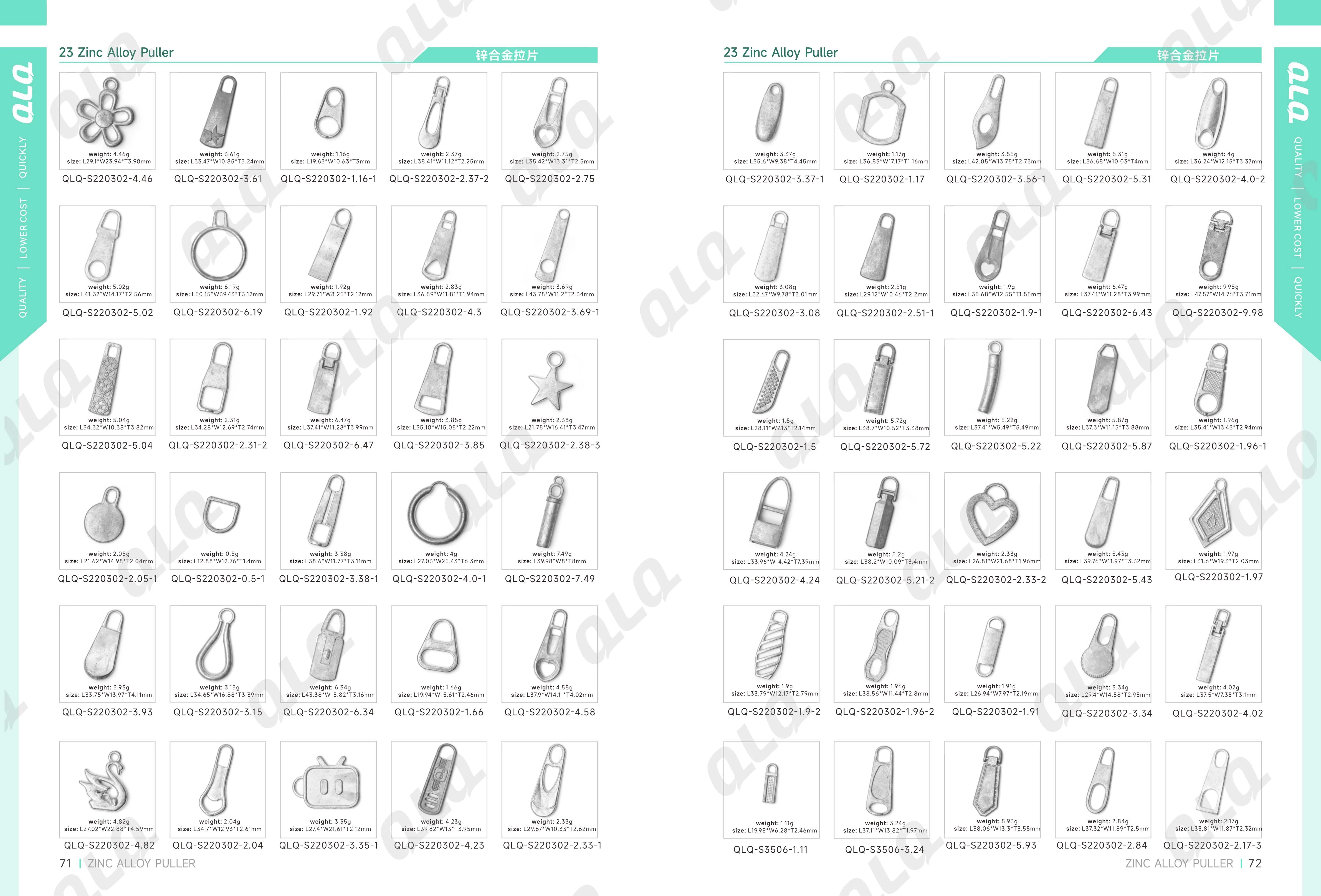
| Zinc Alloy Teeth | Strong and cost-effective. Requires good electroplating for corrosion protection. Specify nickel or antique brass finish for humid environments. |
| Polyester Tape | Washable, shrink-resistant, colorfast. Always specify for garments — cotton tape shrinks and wrinkles after washing. |
| Nylon Tape | Higher tensile strength, better for heavy-duty applications like luggage and outdoor gear. |
Pro tip: If your product is machine-washable, always specify polyester tape and brass or plated zinc alloy teeth. Request a 5-cycle wash test report from your supplier before approving bulk production.
2. Pre-Installation Handling: Protect Zippers Before They Reach the Product
Zipper damage often occurs before the garment is even assembled. Improper storage and handling in the factory can compromise zipper performance from day one:
Temperature Control
Store at 15–30°C. Extreme heat warps nylon tape; extreme cold makes metal teeth brittle.
Humidity Control
Keep below 65% RH. Moisture accelerates oxidation on zinc alloy and aluminum teeth.
Flat Storage
Never fold or crease zippers. Kinked tape causes misaligned teeth and slider jamming.
3. Sewing Best Practices: How Stitching Affects Zipper Longevity
The way a zipper is sewn into a product directly impacts its functional life. Common sewing errors that lead to premature failure:
- Stitching too close to teeth — leaves less than 1.5mm clearance. Fabric gets pulled into the slider path during operation, causing jams.
- Needle strikes on teeth — a single needle hit can deform a tooth. Use a zipper foot and keep the needle path 2–3mm from the teeth edge.
- Uneven tape tension — if one side is sewn tighter, the zipper chain twists. This causes uneven wear on one side and premature failure within 500–1,000 cycles.
Production line tip: Include a zipper-function test station immediately after sewing. A quick open-close cycle catches 90% of sewing-related defects before the product moves to finishing.
4. End-User Care: What to Print on Your Care Label
The most effective warranty-reduction strategy is a clear, simple care label that educates your customer. Here's what to include:
| Washing | Close zipper fully before washing. Turn garment inside out. Use mild detergent — bleach corrodes metal teeth. |
| Drying | Air dry when possible. If machine drying, use low heat. High heat warps polyester tape and may discolor plated finishes. |
| Lubrication | If slider becomes stiff, rub a graphite pencil tip along the teeth. Graphite is a dry lubricant — it won't attract dirt like oil-based lubricants. |
| Storage | Keep zipper closed when storing. Open zippers are vulnerable to bent teeth and deformed sliders. |
| Ironing | Never iron directly over metal zipper teeth. Use a pressing cloth and avoid the zipper area entirely. |
5. Field Fixes: Quick Solutions That Prevent Returns
Equip your customer service team with these simple fixes. A 30-second tutorial can save a return:
Check for fabric caught in the slider channel. Gently pull fabric away — do not force the slider. Apply graphite if teeth are binding.
Run the slider to the bottom and start again slowly. If a single tooth is bent, gently straighten with needle-nose pliers.
Remove the bottom stop with pliers, re-thread the slider onto both tape sides, replace the stop. Not a DIY fix for most consumers — offer a repair guide or exchange.
Light surface oxidation on brass is normal and self-limiting. For zinc alloy, wipe with a dry cloth. If pitting occurs, the plating was defective — this is a supplier quality issue, not a maintenance failure.
6. Specifying for Longevity: What to Put in Your RFQ
When sourcing metal zippers, include these maintenance-related requirements:
| Cycle Life | Minimum 5,000 open-close cycles without functional degradation (per QB/T 2171). |
| Wash Resistance | 5-cycle machine wash at 40°C with no visible corrosion or tape shrinkage (required for apparel zippers). |
| Salt Spray | 48-hour neutral salt spray test (ISO 9227) with no red rust on teeth or sliders — for marine/outdoor applications. |
| Plating Thickness | Minimum 3μm for nickel, 5μm for brass plating on zinc alloy components. |
| Lubrication | Factory-applied light wax coating on teeth acceptable. No oil-based lubricants — they collect dirt. |
The Bottom Line: Prevention Costs Less Than Returns
A well-maintained metal zipper on a quality garment can last 10+ years. A poorly specified zipper with zero care instructions can fail within 6 months — and every failure costs your brand money, reputation, and repeat business.
- Add zipper care instructions to your existing product care labels
- Audit your sewing line: check needle clearance from zipper teeth (minimum 2mm)
- Review your zipper specification: confirm tape material and tooth alloy match the product's use case
- Request wash-test and cycle-test reports from your current zipper supplier
- Train customer service on the 4 field fixes — turn returns into retained customers
Looking to source durable metal zippers with verified cycle-life and corrosion-resistance testing? Request a specification sheet and sample kit with wash-test reports included.