
A metal zipper looks simple from the outside. But when you're sourcing 20,000 units for a production run, every millimeter and every component matters. Specifying the wrong slider type, an incompatible stop, or a puller that doesn't match your brand aesthetic can lead to production delays, returns, and lost contracts. This guide breaks down every component of a metal zipper — so you can write tighter RFQs and communicate with suppliers like a pro.
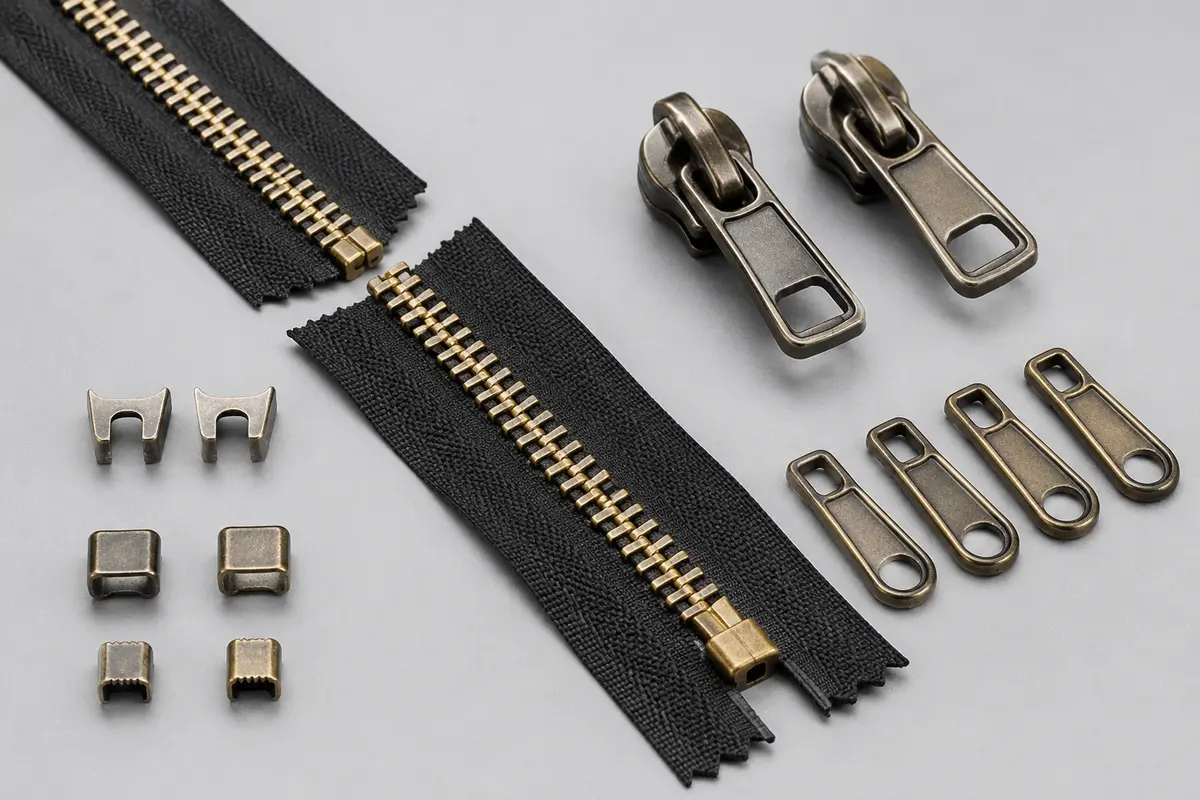
A complete metal zipper consists of six core components: the chain (teeth + tape), the slider body, the pull tab (puller), the top stop, the bottom stop, and the retainer box with insert pin. Each has its own material options, sizing constraints, and quality standards.
1. Zipper Chain: Teeth + Tape
The chain is the backbone of the zipper. It consists of interlocking teeth clamped onto a woven tape. Metal zipper teeth are typically made from brass, aluminum, or zinc alloy, each with distinct trade-offs:
Brass Teeth
Premium gold-tone finish. Excellent corrosion resistance. Natural antimicrobial properties. Heavier than aluminum. Best for: luxury bags, leather goods, premium garments.
Aluminum Teeth
Lightweight and silvery. Good for lightweight applications. Less expensive than brass. Can be anodized in colors. Best for: lightweight jackets, cosmetic bags, promotional items.
Zinc Alloy Teeth
Takes electroplating well — available in nickel, gunmetal, antique finishes. Durable and cost-effective. Best for: bags, luggage, outdoor gear with custom finish requirements.
The tape is typically woven polyester — chosen for its high tensile strength, UV resistance, and low shrinkage (≤2% at 150°C). Always specify tape color and width in your order. Standard tape widths: 24mm (#5), 30mm (#8).
2. Slider Body: The Brain of the Zipper
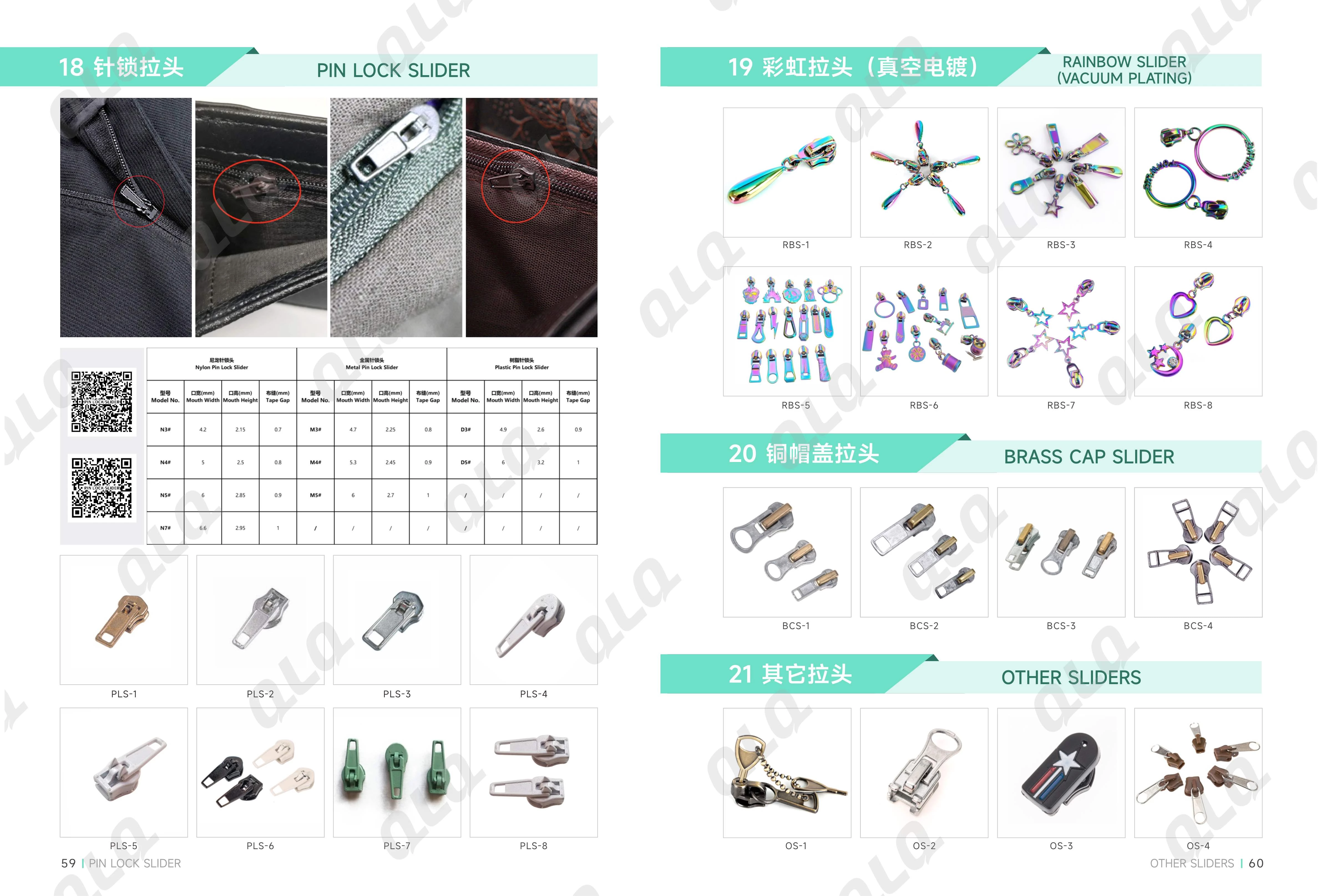
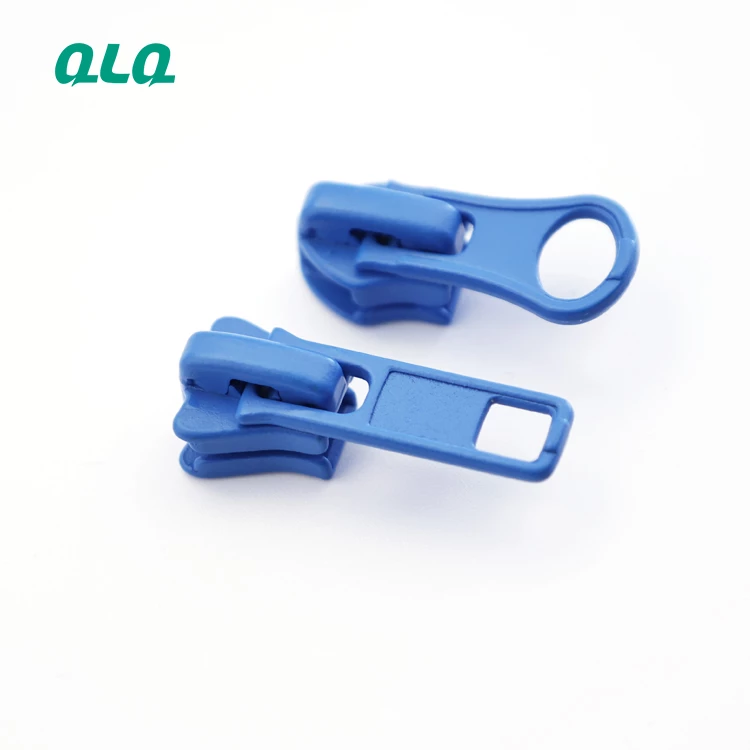
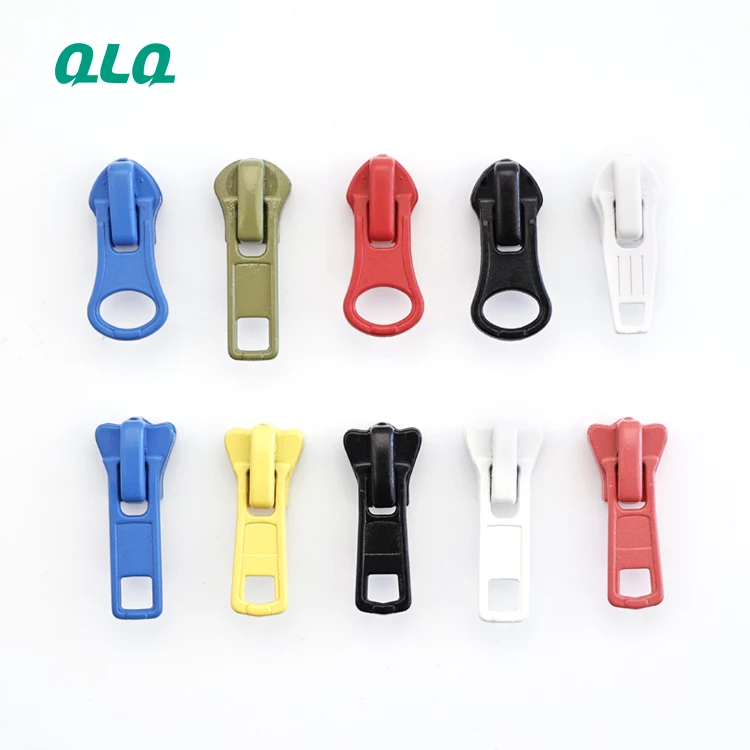
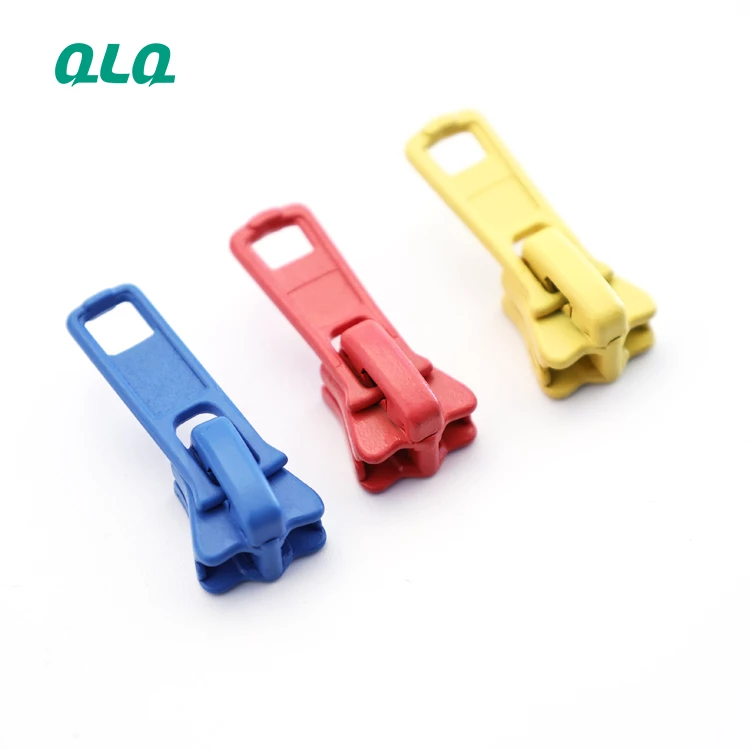
The slider is the component your end-user touches every time. It houses the internal channel that guides teeth together (closing) or apart (opening). Get the slider wrong, and the entire zipper fails.
| Type | Locking | Best Application |
| Auto-Lock | Spring-loaded, auto-engages | Jeans, trousers, backpacks |
| Non-Lock | None — free-sliding | Internal pockets, decorative zips |
| Pin-Lock | Manual pin engagement | Jackets, coats, footwear |
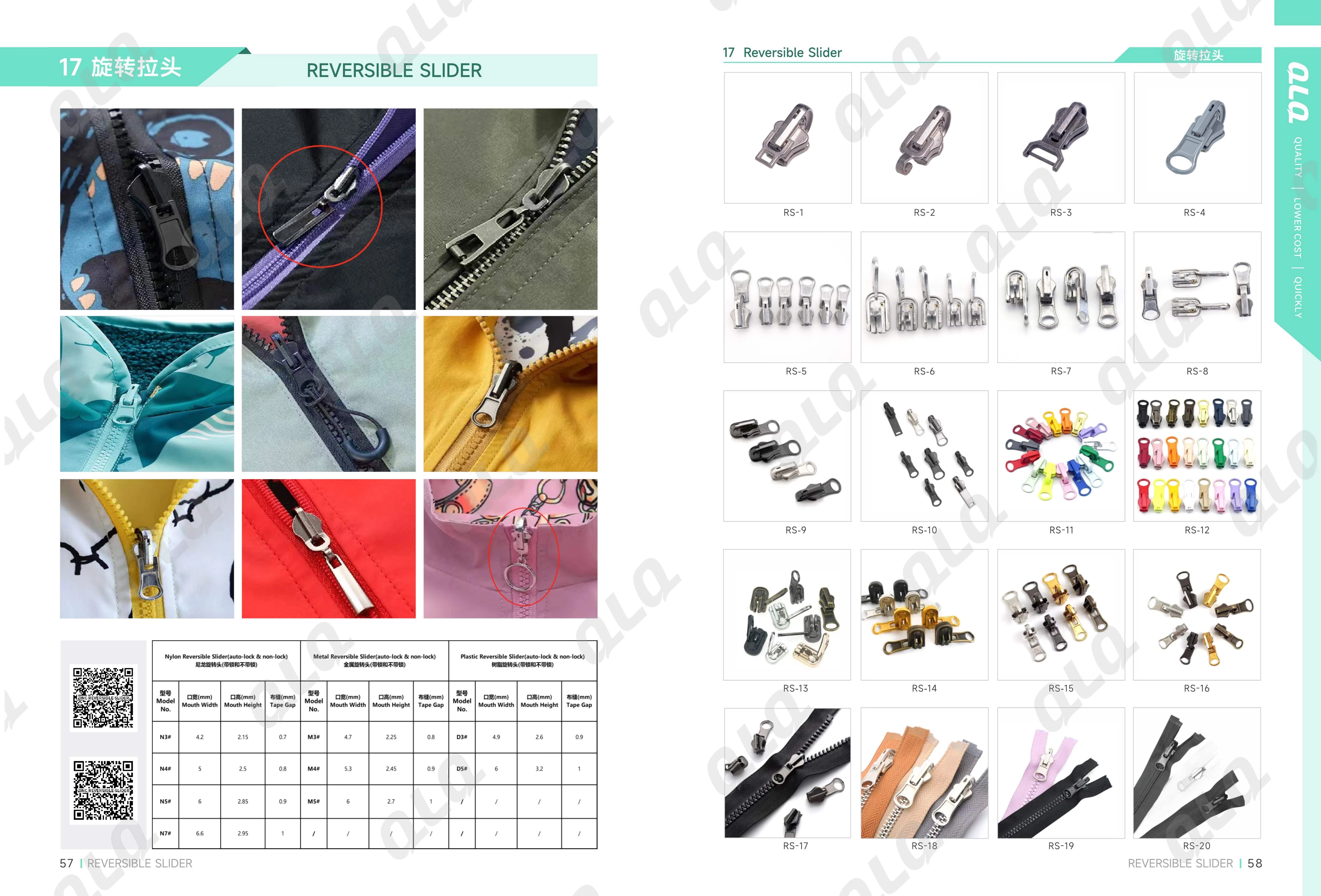
| Reversible | Varies by design | Reversible jackets, tents, sleeping bags |
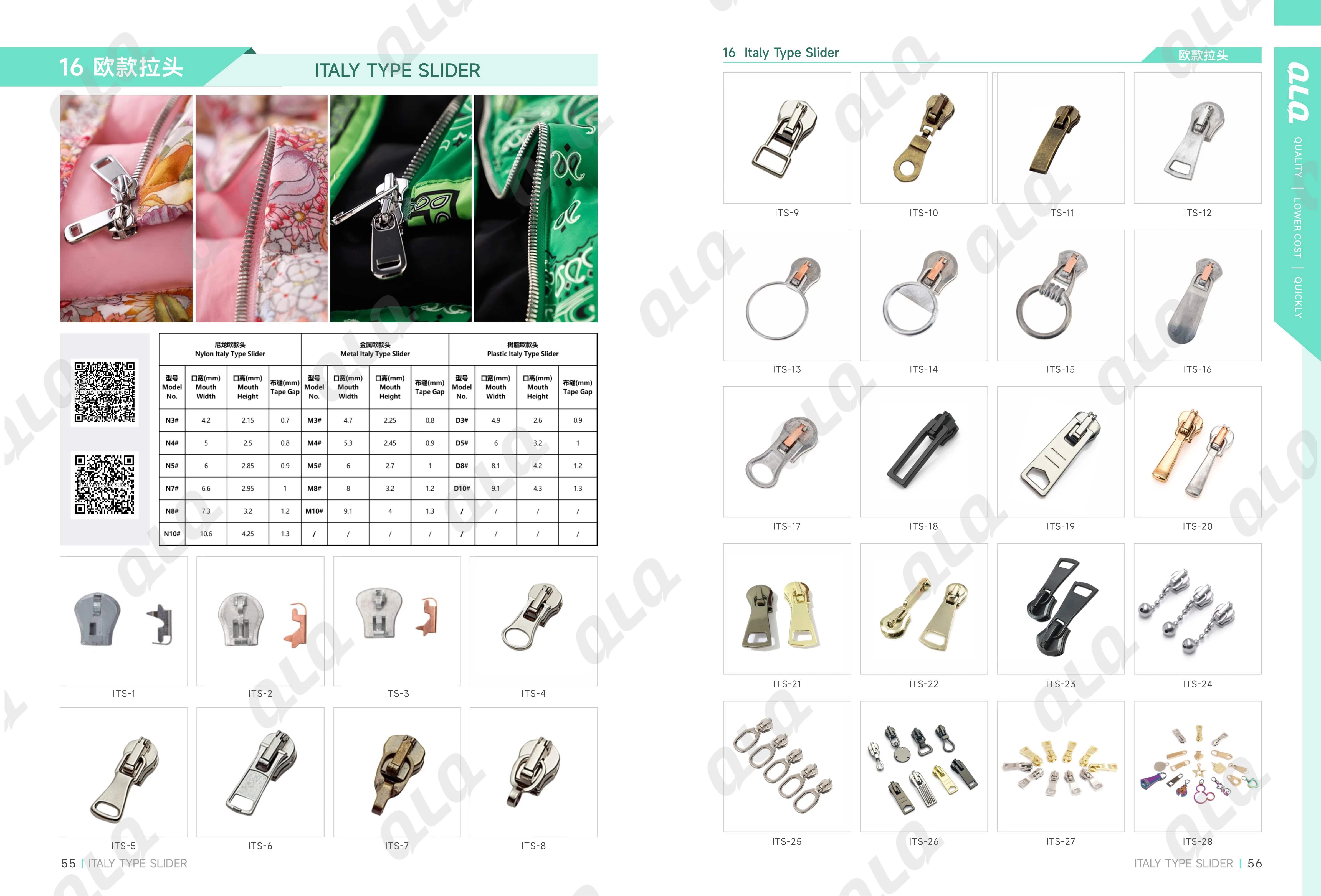
Slider material is almost always zinc alloy (die-cast), chosen for precision moldability and compatibility with electroplating finishes. For heavy-duty applications, specify a 5-component slider (base, cap, spring, pin, pull tab) rather than a 3-component design — the extra parts distribute stress more evenly.
3. Pull Tab (Puller): Branding Meets Ergonomics
The pull tab is the most visible component — and your biggest branding opportunity. It's the part users grip, so ergonomics matter as much as aesthetics.
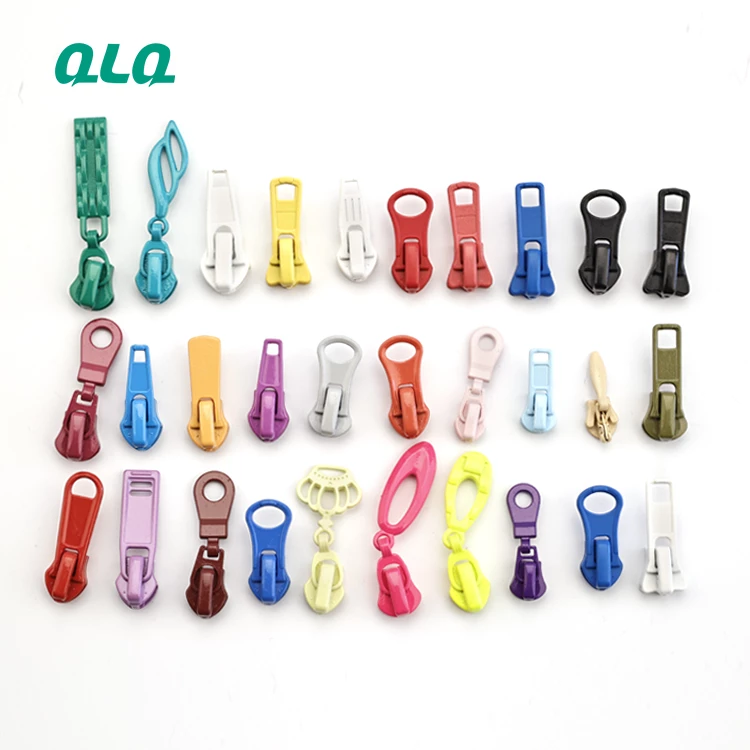
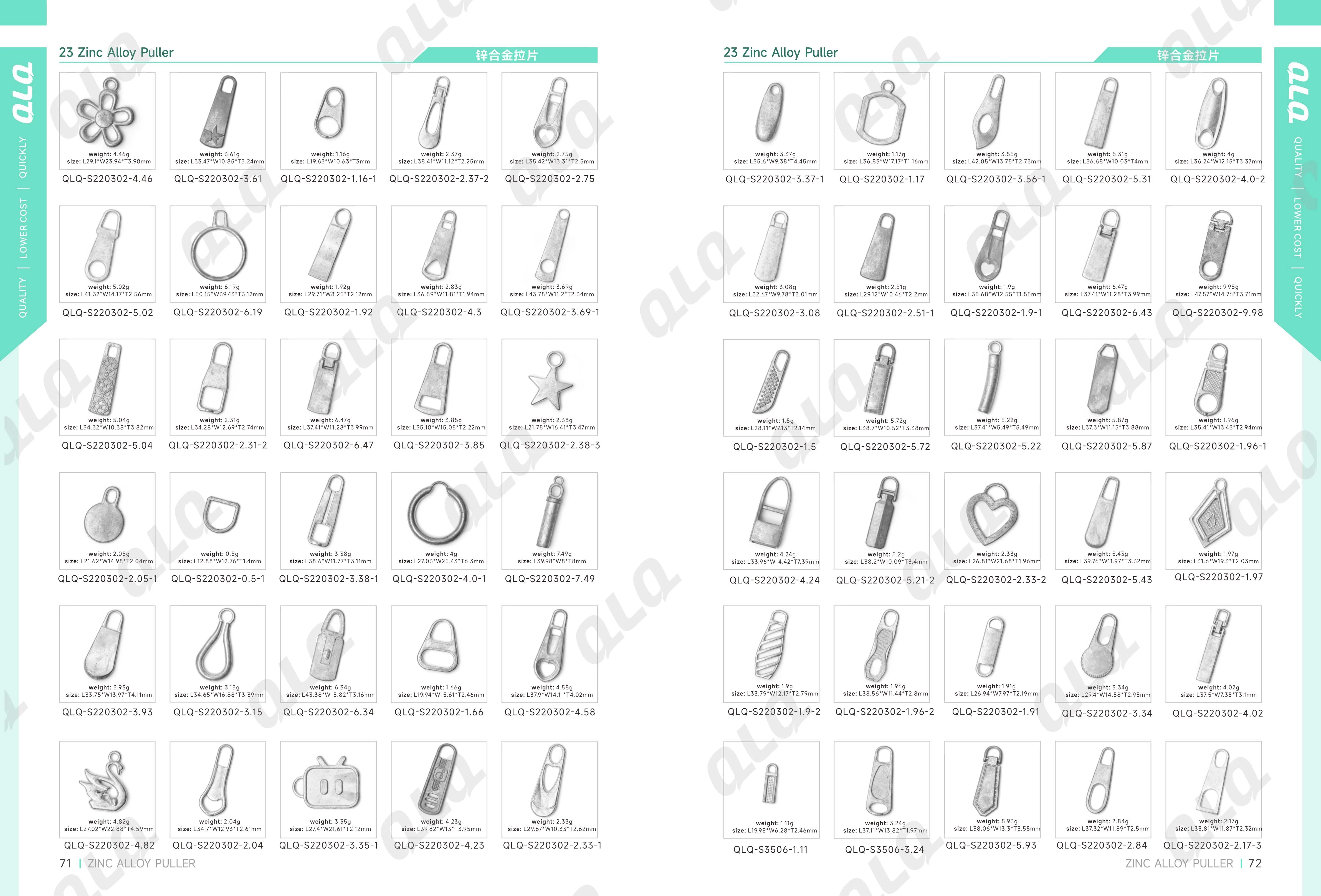
Zinc Alloy Puller
Most common. Electroplatable in any finish. Custom shapes possible with mold investment ($200–$500 one-time). Good weight and hand-feel.
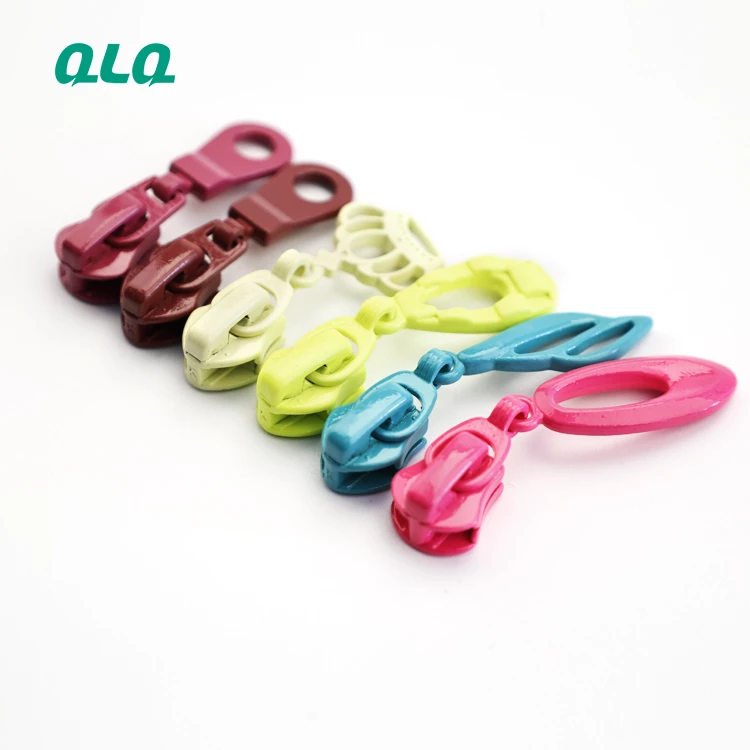
Plastic / Rubber Puller
Lightweight, colorful, cost-effective. Rubber-coated pullers improve grip in wet or cold conditions. Common in outdoor and sports gear.
Specification must-haves: puller length (standard: 25–35mm), attachment hole diameter (must match slider nose), and finish (must match slider and teeth for visual consistency).
4. Top Stop & Bottom Stop: Small Parts, Big Consequences
These tiny metal pieces are crimped onto the zipper tape at both ends. They prevent the slider from running off the chain — and they bear enormous force during use.
🔼 Top Stop
Two small metal pieces crimped at the top of each side of the chain. Prevents the slider from pulling off when closing the zipper fully. Must withstand ≥60N longitudinal pull force.
🔽 Bottom Stop
A single larger metal piece at the bottom of the chain. Acts as the insertion stop for separating zippers. On closed-end zippers, both sides terminate at one bottom stop.
5. Retainer Box & Insert Pin (Separating Zippers)
For open-end (separating) zippers — used in jackets, coats, and hoodies — the retainer box and insert pin allow the two sides of the zipper to fully separate and reconnect. The insert pin slides into the retainer box, which sits just below the slider on one side of the tape.
Quality check: The pin must enter the box smoothly without forcing. A misaligned pin causes the frustration of jacket zippers that won't start. Tolerances here are tight — ask your supplier for ±0.05mm on the pin-to-box fit.
6. How to Specify Zipper Components in Your RFQ
When requesting a quote from a supplier, don't just say "metal zipper, #5, 20cm." Use this specification template to eliminate ambiguity:
| Component | Specify | Example |
| Gauge | #3 / #5 / #7 / #8 / #10 | #5 |
| Teeth Material | Brass / Aluminum / Zinc Alloy | Zinc Alloy |
| Finish | Nickel / Brass / Gunmetal / Antique | Antique Brass |
| Slider Type | Auto-Lock / Non-Lock / Pin-Lock / Reversible | Auto-Lock |
| Puller | Material + Length + Finish | Zinc Alloy, 28mm, Antique Brass |
| Tape | Color + Width (mm) | Black, 24mm |
| Length | From top stop to bottom stop (cm) | 20cm |
| End Type | Closed-End / Open-End / Two-Way | Closed-End |
- Confirm gauge size matches your product's weight and stress requirements
- Specify end type — open-end for jackets, closed-end for bags and pockets
- Request finish samples — colors vary between batches; approve a physical golden sample
- Demand slider pull-off test reports — minimum 60N vertical resistance for non-lock, 90N for auto-lock
- For orders over $5,000, budget $200–$300 for third-party inspection (SGS, Bureau Veritas, or Intertek)
At HardwareZipper.com, we supply metal zippers with fully specified components — from brass teeth and auto-lock sliders to custom pullers and electroplated finishes. Every order includes batch-specific QC documentation. Request component samples and specification sheets for your target zipper configuration before placing your bulk order.