

Why the Right Zipper Slider Matters More Than You Think
When sourcing zippers for your products — whether it's handbags, luggage, outdoor gear, or apparel — the zipper tape and teeth often get all the attention. But the slider is the component your customers interact with every single time they open and close your product. A poorly chosen slider leads to jamming, breakage, and returns. A well-matched slider enhances both functionality and perceived quality.
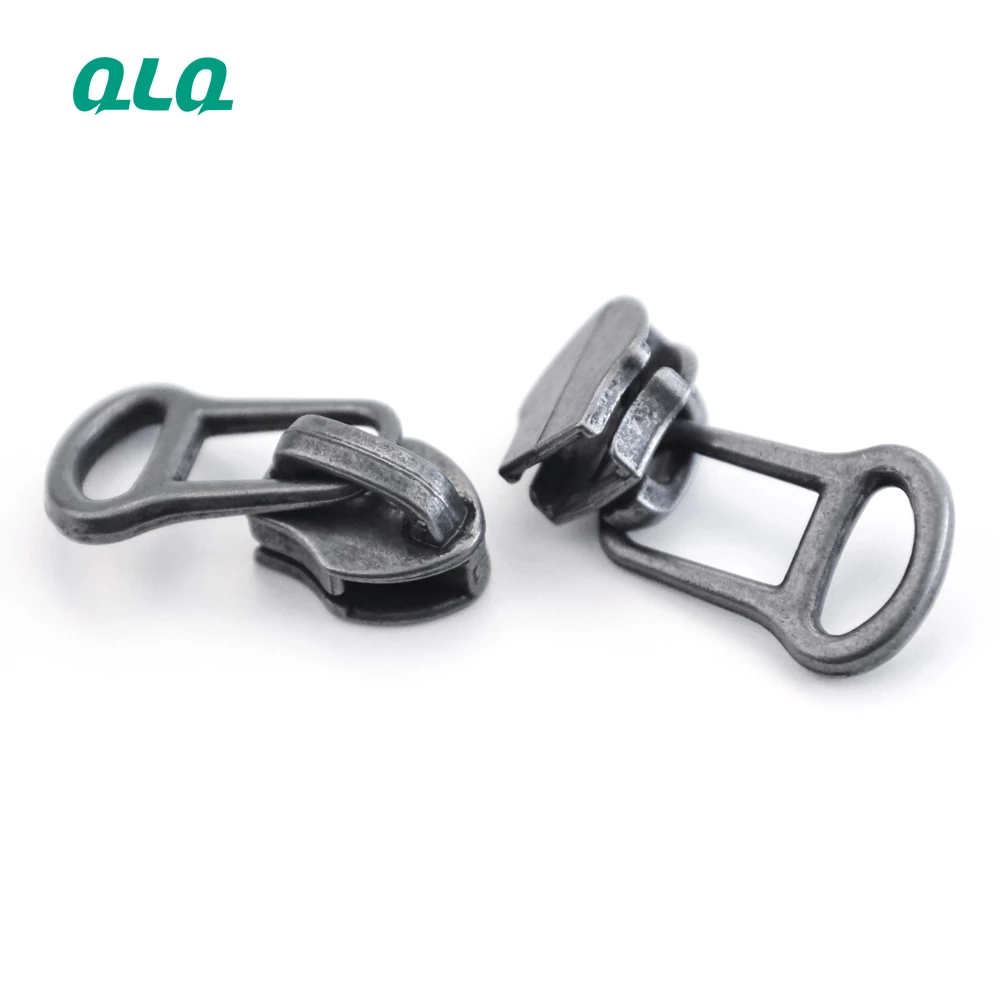
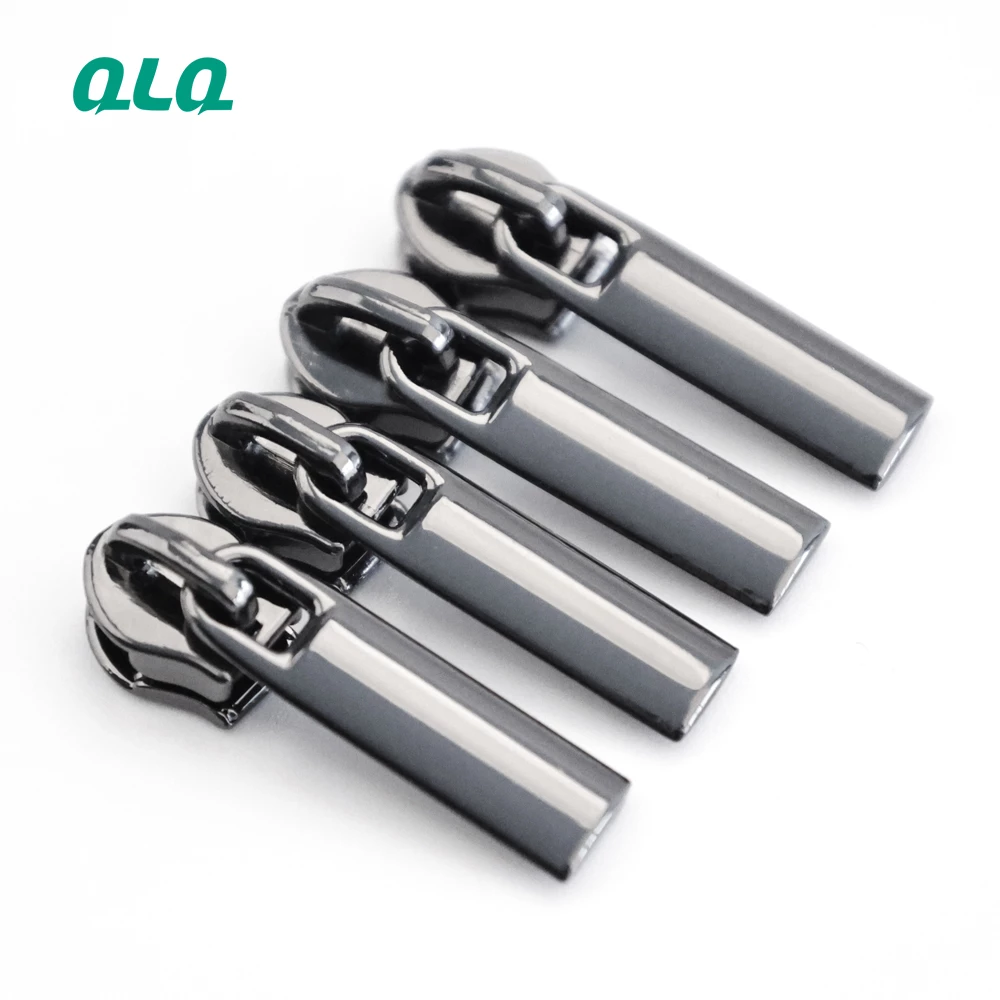
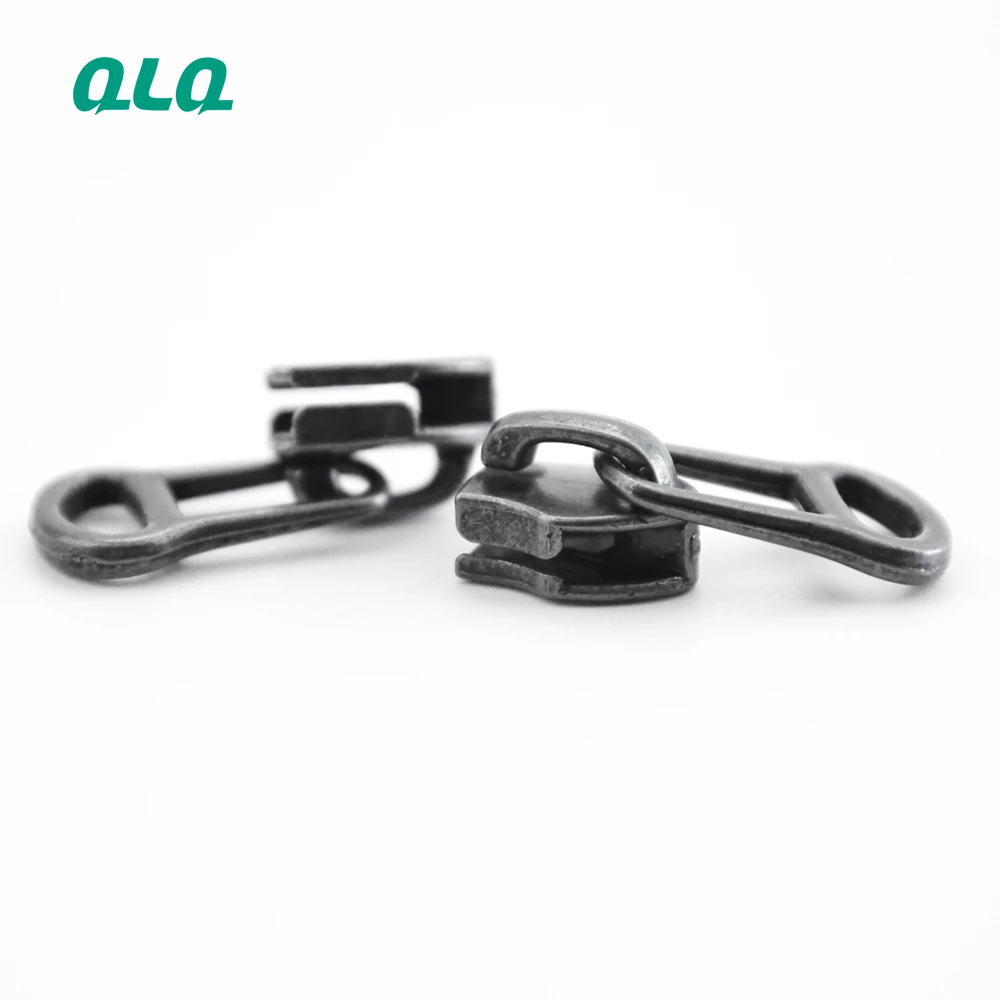
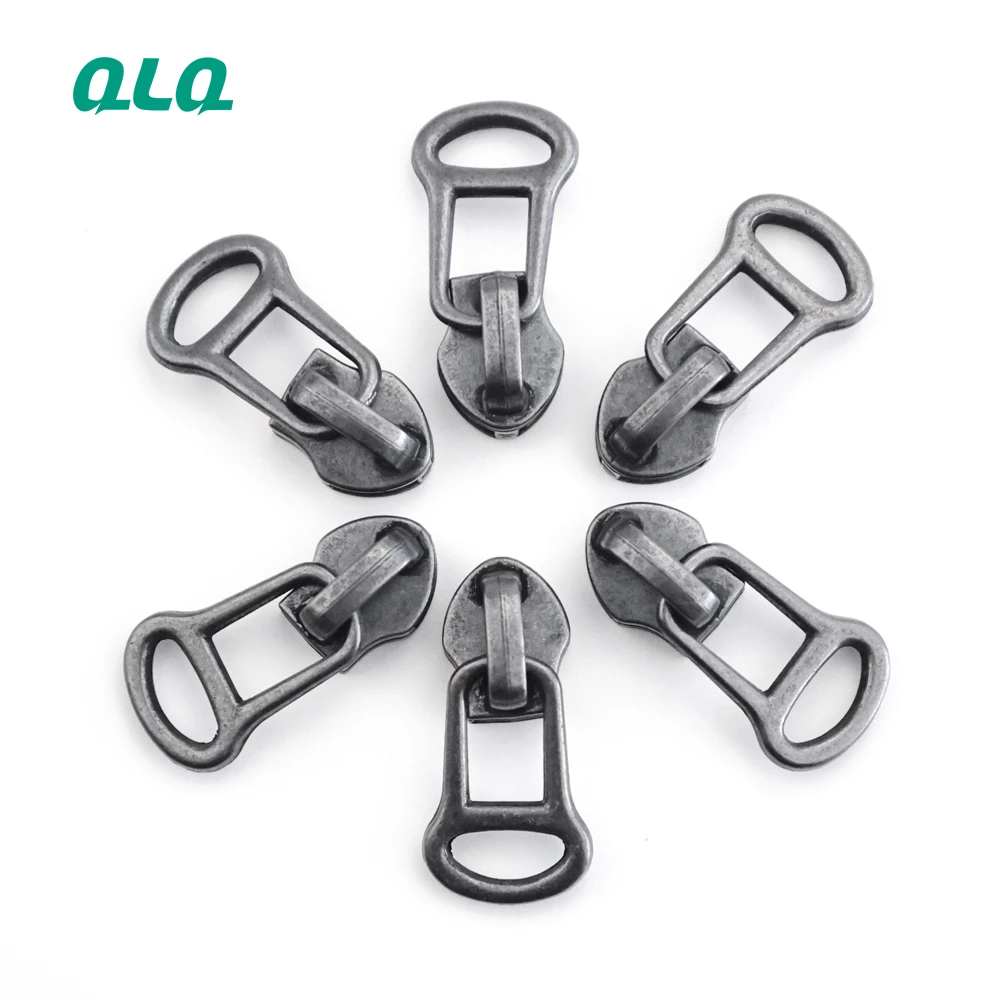
At Hardware Zipper, we manufacture a wide range of metal zipper sliders designed for different applications. This guide breaks down the most common types, their features, and how to choose the right one for your production line.
1. Auto-Lock Zipper Slider
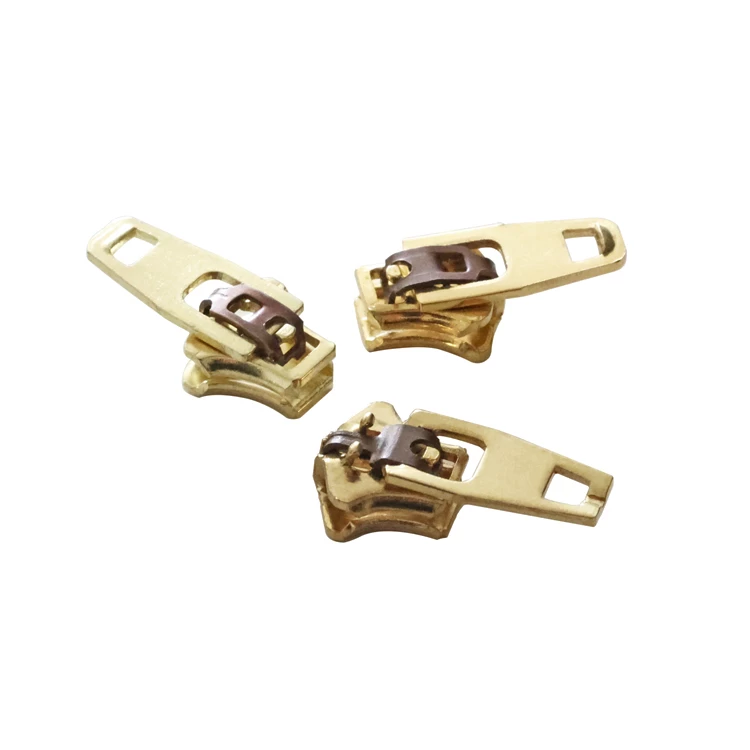
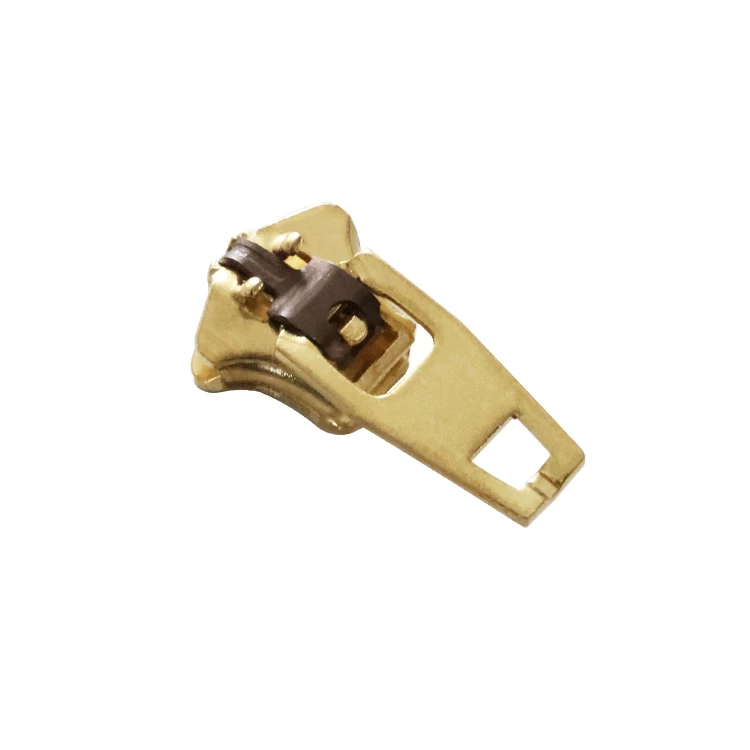
The auto-lock slider features a built-in locking mechanism that engages automatically when the pull tab is released. The internal spring-loaded pin drops into the zipper teeth, preventing the slider from moving — even under tension or vibration.
Best for: Trousers, jeans, backpacks, tents, and any application where the zipper must stay in place without manual locking. This is the most popular slider type in apparel manufacturing because end users expect zippers to stay closed without effort.
Material options: Available in zinc alloy (standard), brass (premium look), and stainless steel (heavy-duty). Our auto-lock sliders come in 3#, 5#, 8#, and 10# sizes to match different zipper tape widths.
2. Non-Lock Zipper Slider
The non-lock slider has no internal locking mechanism — it moves freely along the zipper chain. This makes it ideal for applications where quick, frequent access is needed and accidental opening is not a concern.
Best for: Bag linings, internal pockets, decorative zippers on fashion accessories, and products where the zipper is rarely under tension. Non-lock sliders are also lighter and more cost-effective than their auto-lock counterparts.
Key advantage: Smoother operation with less resistance. If your product design includes a secondary closure (like a flap or snap button), a non-lock slider may be all you need.
3. Pin Lock Slider
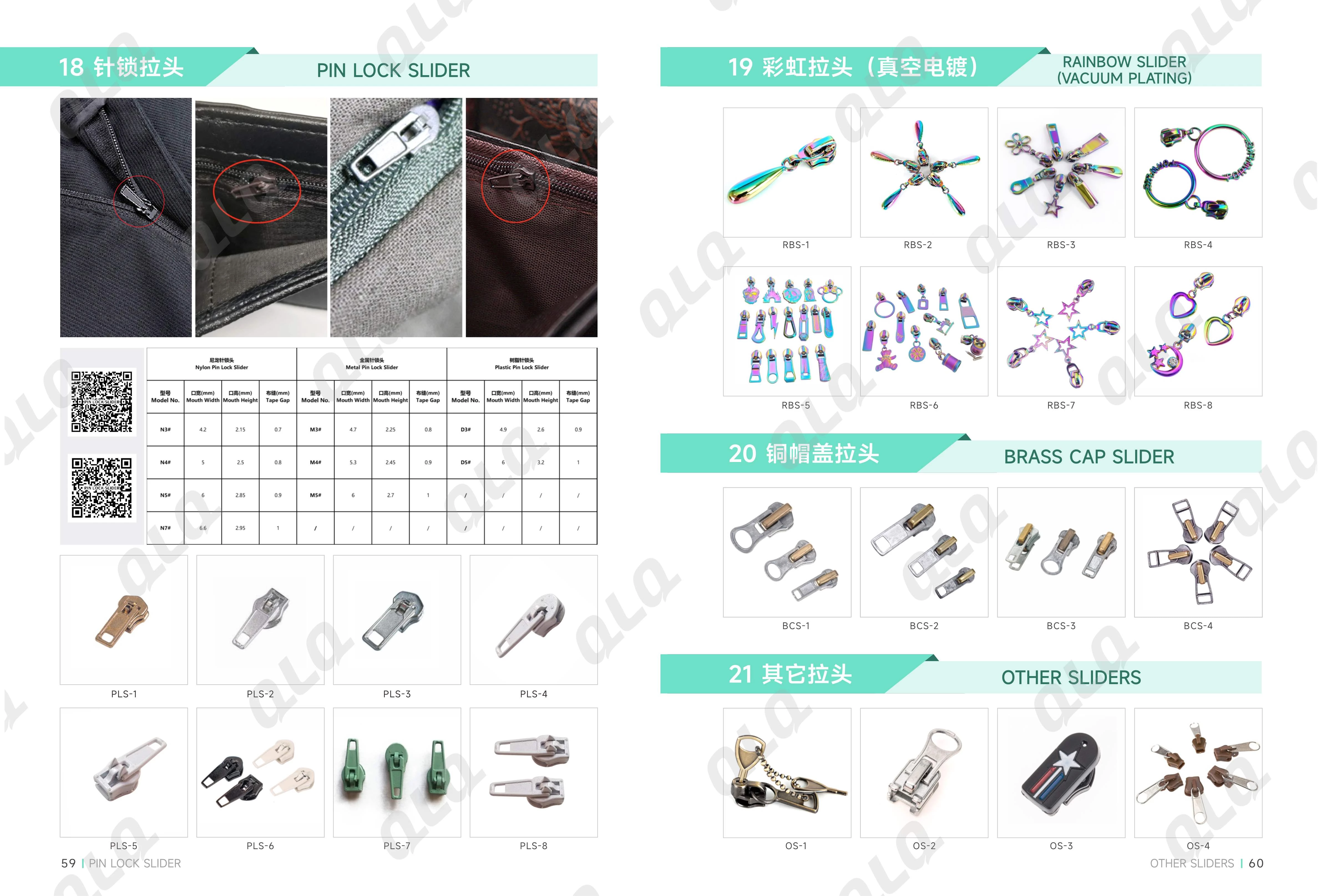
The pin lock slider uses a small metal pin that the user manually engages by pressing the pull tab down into a locked position. Unlike auto-lock sliders, pin lock sliders stay unlocked by default — the user decides when to lock.
Best for: Jackets, coats, footwear, and bags where the user may want the zipper to slide freely for ventilation or quick access, with the option to lock it when needed.
Design note: Pin lock sliders offer a distinct tactile experience that many premium brands use as a quality signal. The deliberate locking action communicates durability and craftsmanship to the end user.
4. Reversible Slider
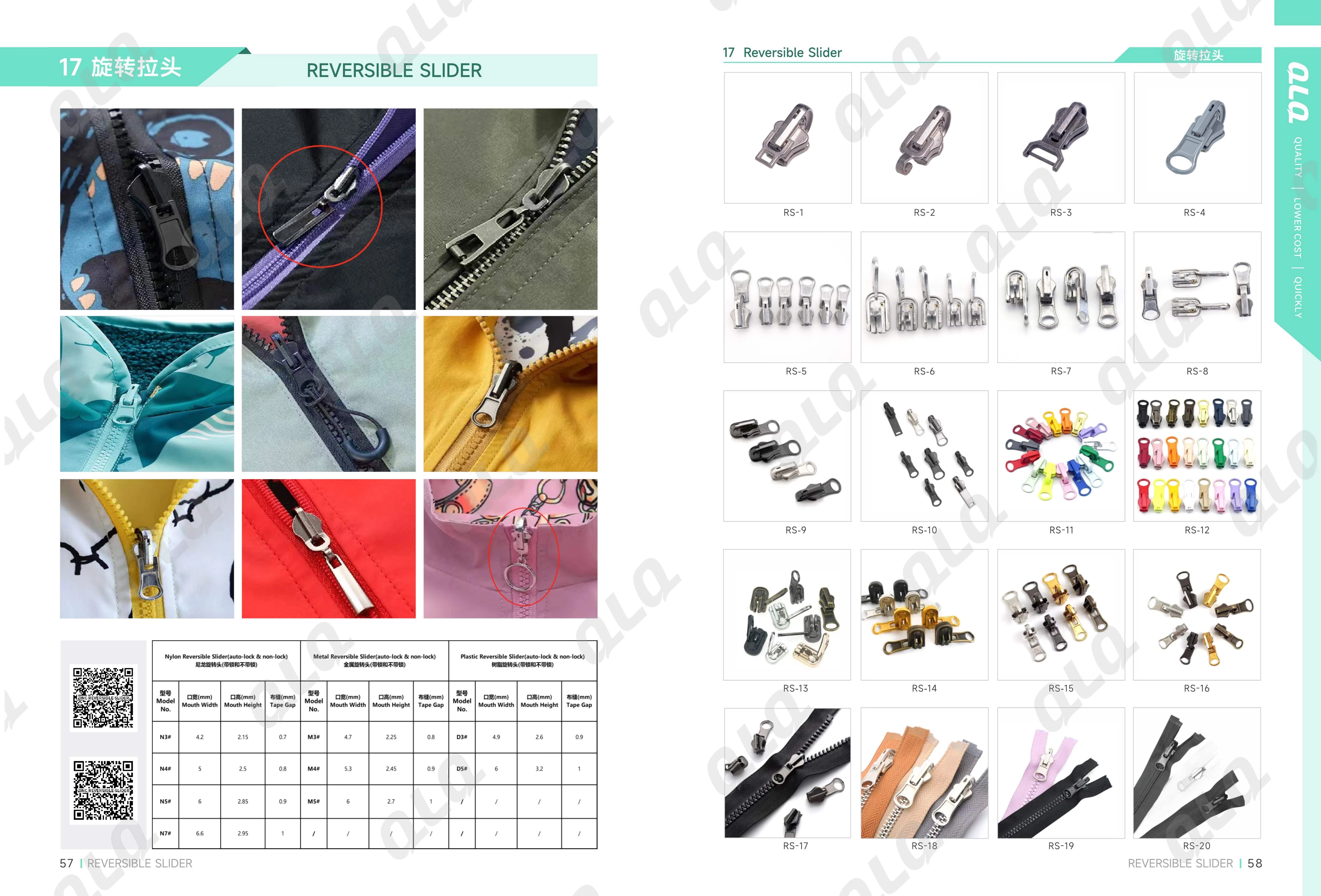
Reversible sliders are designed to work from both sides of the zipper — a critical feature for products where the zipper is accessible from either face of the fabric. The pull tab can flip to either side, and the slider body is symmetrical to function identically in both directions.
Best for: Reversible jackets, two-sided bags, convertible garments, and sleeping bags. Any product where the user might access the zipper from either side of the opening requires a reversible slider.
5. Brass Cap Slider
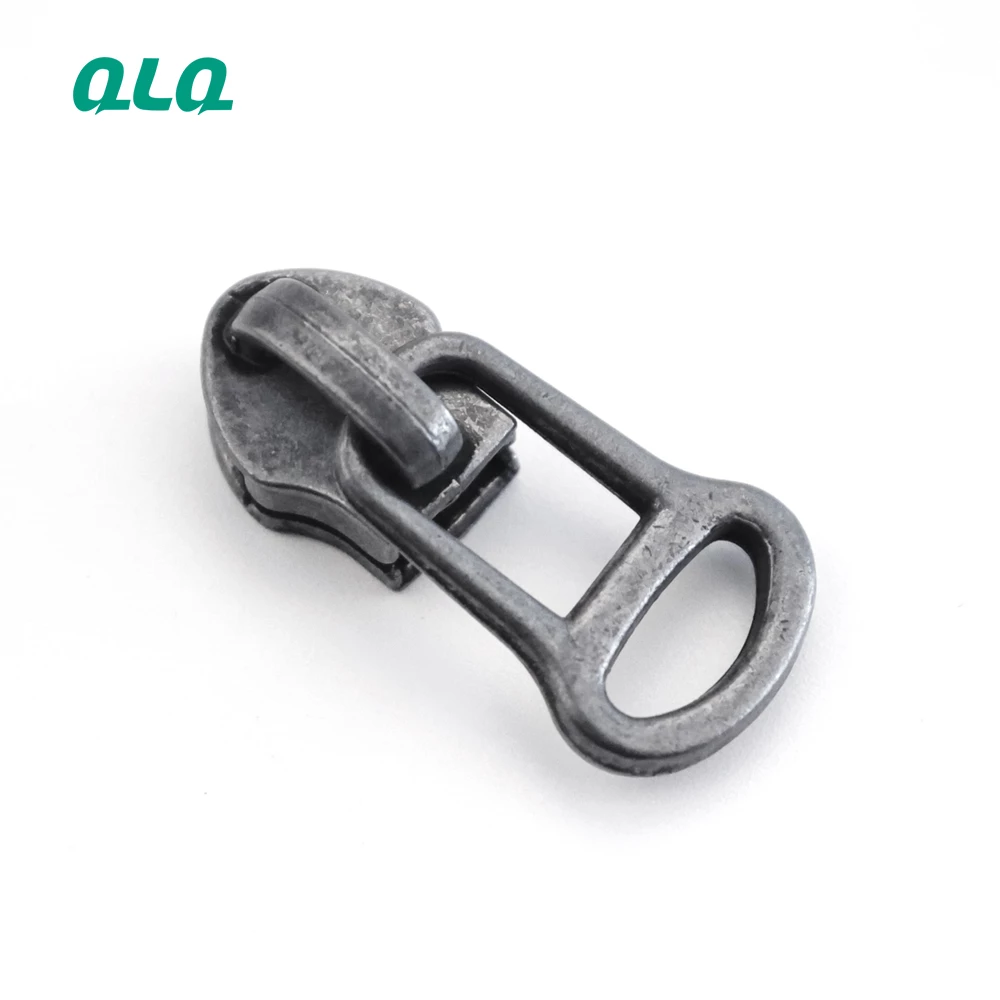
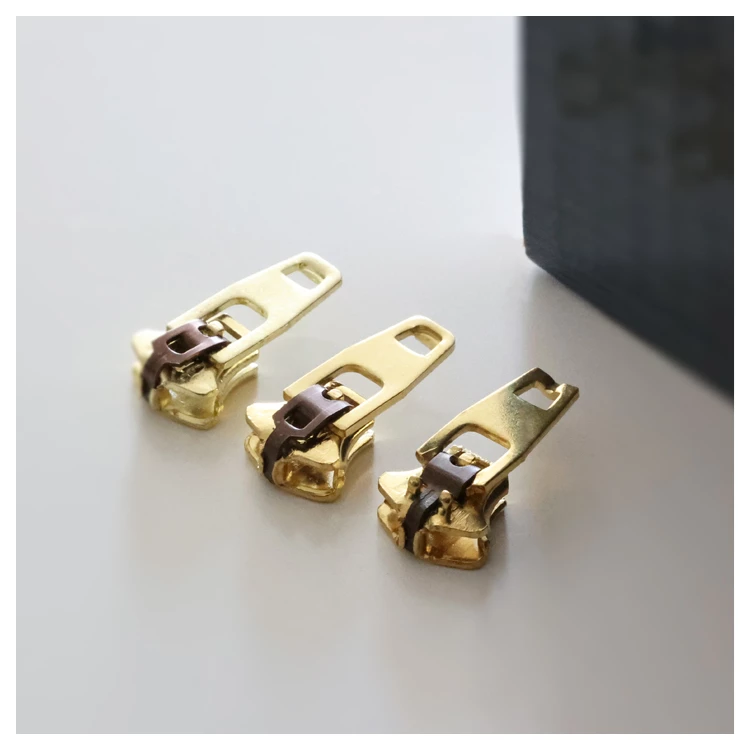
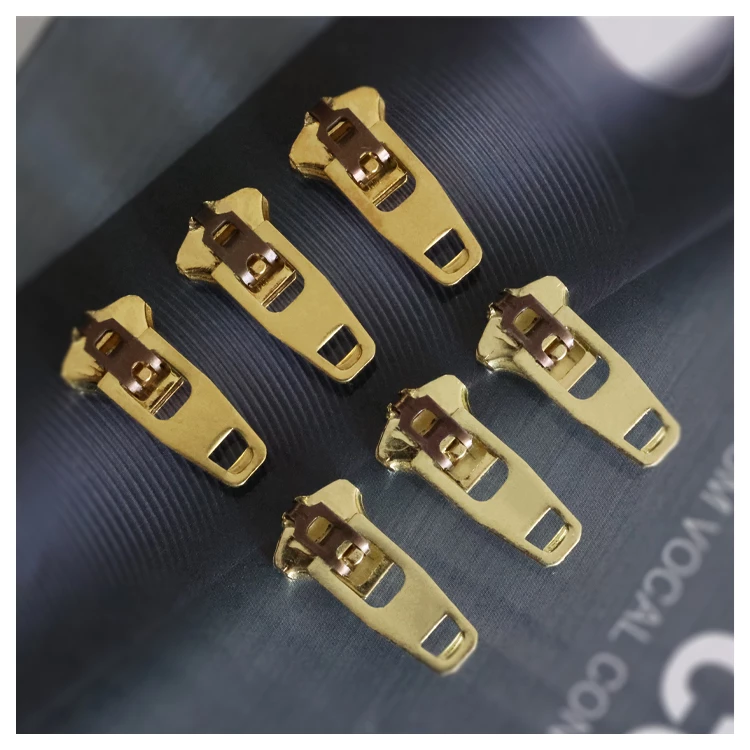
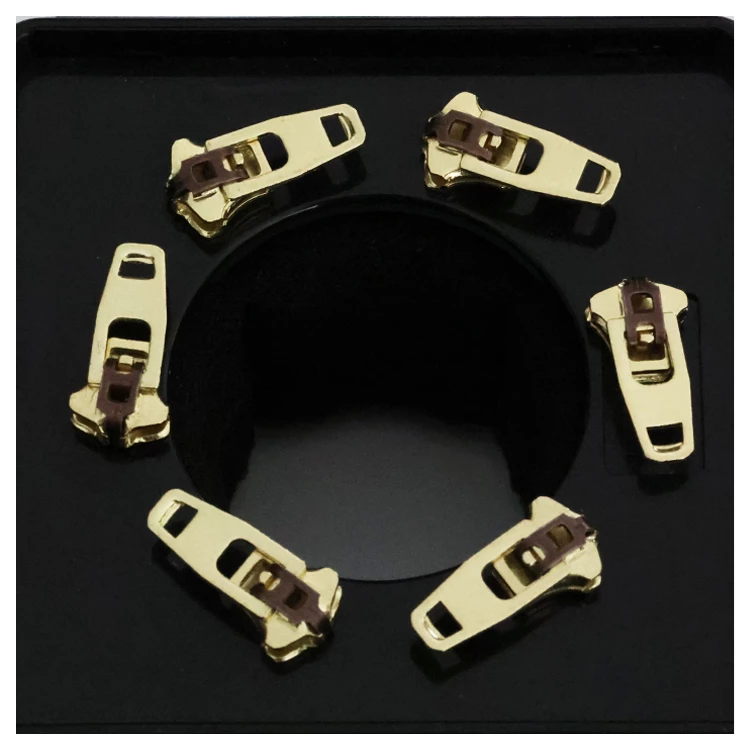
Brass cap sliders combine a zinc alloy body with a brass cap covering, giving the slider a warm golden aesthetic while maintaining the structural integrity and cost-efficiency of zinc. The brass cap also provides additional corrosion resistance compared to raw zinc surfaces.
Best for: Premium handbags, luxury luggage, leather goods, and vintage-style apparel where appearance matters as much as function. The brass finish ages beautifully, developing a natural patina that appeals to high-end consumers.
6. YG Slider & Italy Type Slider
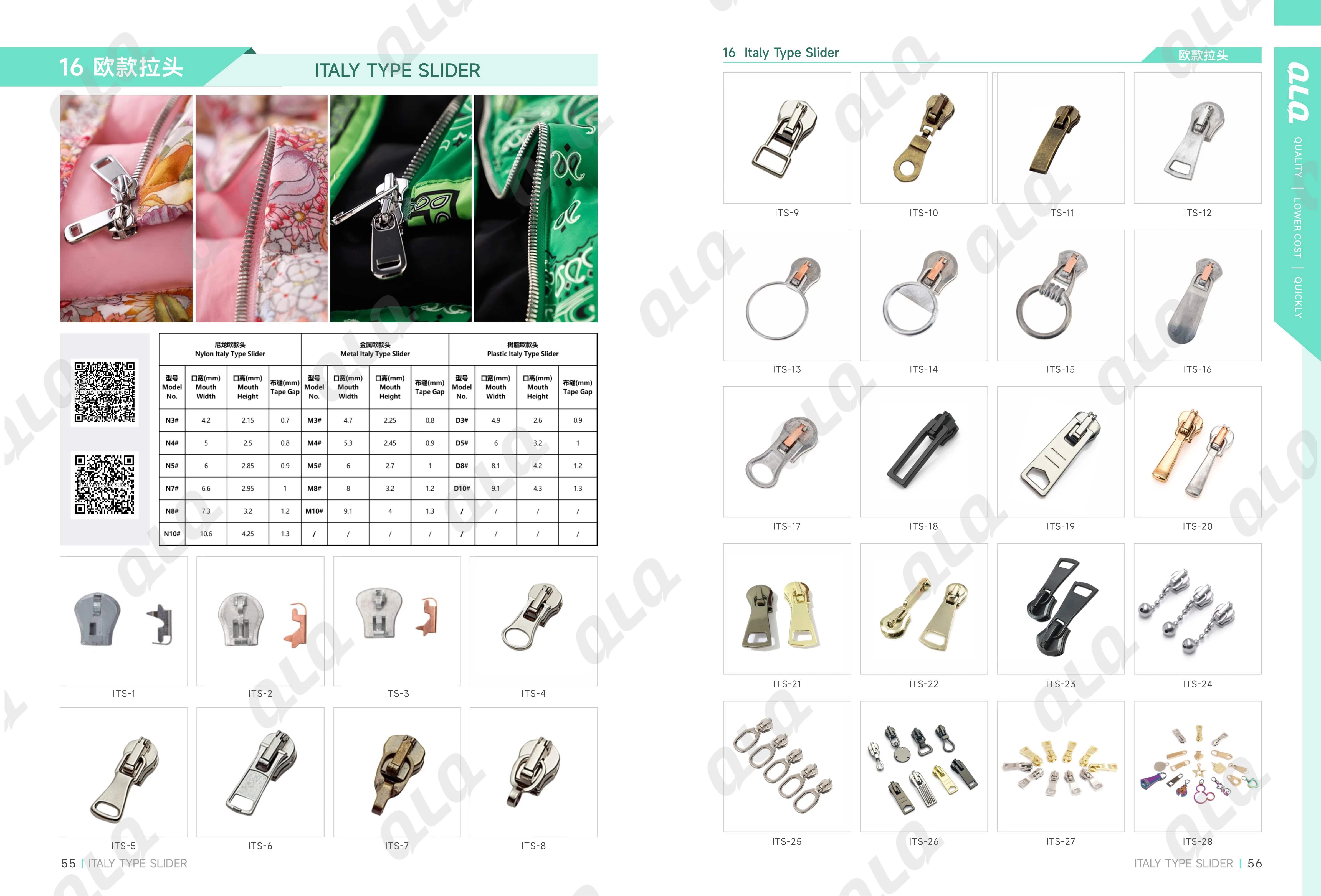
The YG slider is a specific design originating from Japanese zipper manufacturing standards, known for its compact size and smooth operation. It's widely used in the Asian apparel industry and increasingly adopted globally for its reliability in lightweight to medium-weight applications.
The Italy type slider features a slightly larger body with reinforced side walls, offering superior durability. It's the preferred choice for European bag and luggage manufacturers who prioritize longevity over minimal weight.
How to Choose: A Decision Framework
When selecting sliders for your next production run, evaluate these five factors:
- Application tension: Will the zipper be under stress? If yes, choose auto-lock or pin lock. If no, a non-lock slider saves cost and weight.
- Access frequency: How often will the end user open and close the zipper? High-frequency applications benefit from smoother non-lock or YG type sliders.
- Material compatibility: Match the slider material to your zipper teeth — metal teeth pair best with metal sliders, though nylon coil zippers can also use metal sliders in some configurations.
- Aesthetic requirements: For visible zippers on premium products, the finish matters. Brass cap and electroplated finishes (nickel, antique brass, gunmetal) elevate the product's perceived value.
- Budget & volume: Non-lock sliders are the most economical. Auto-lock sliders cost more but reduce returns from zipper failure. For medium to high-volume orders (5,000+ units), we offer significant quantity discounts.
Quality Control: What to Look For
At Hardware Zipper, every slider undergoes multi-point inspection before shipping:
- Pull tab torque test: Ensures the tab won't snap off under normal use (tested to 15-25 N depending on slider size).
- Lock strength test: Auto-lock sliders are tested for holding force — our standard is minimum 50 N lateral resistance.
- Salt spray test: Electroplated sliders undergo 24-48 hour neutral salt spray testing to verify corrosion resistance.
- Dimensional tolerance: All sliders are checked against ±0.05mm tolerance on critical dimensions to ensure consistent fit with zipper tape.
Get the Right Slider for Your Product
Choosing the right zipper slider isn't complicated — but it does require matching the slider type to your specific use case. Whether you need 10,000 auto-lock sliders for a denim production run or 500 brass cap sliders for a luxury bag collection, we can help.
Browse our slider collection to see detailed specifications, material options, and minimum order quantities. Have a custom requirement? Contact our team for technical consultation and free samples.